The Ultimate Guide to Chain Sprockets and Their Uses

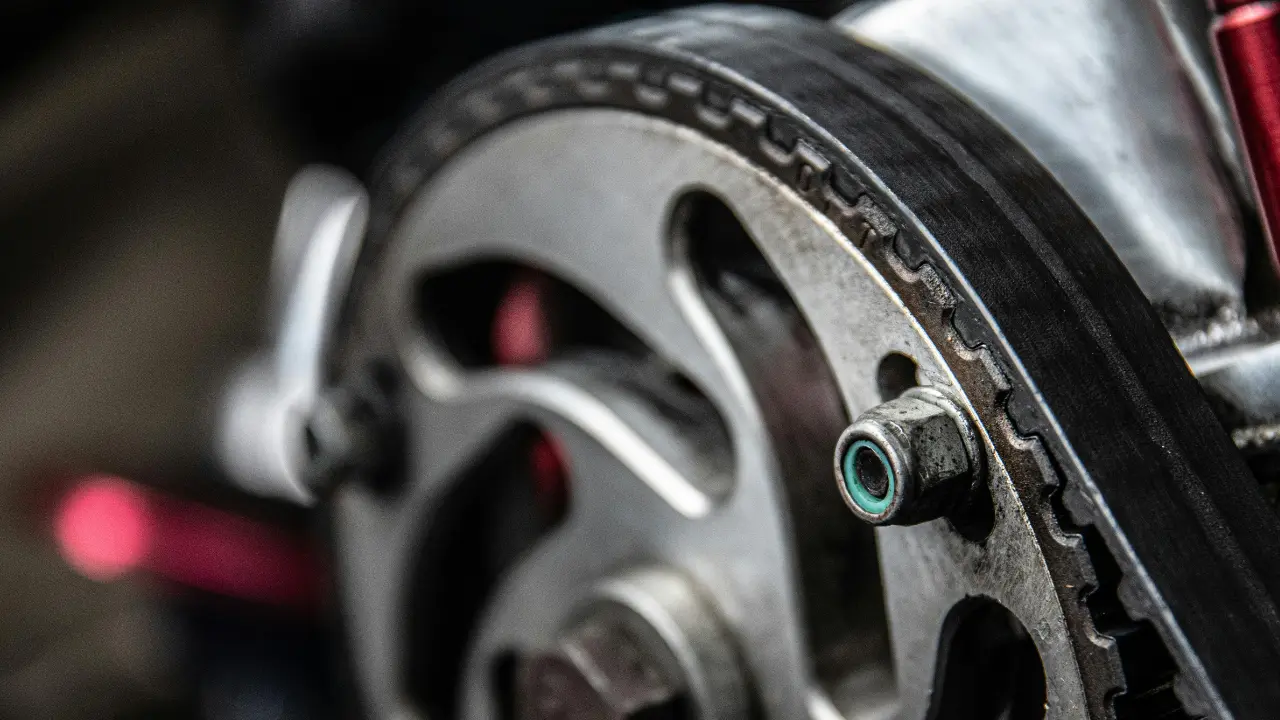
Sprockets are some of the most fundamental components in modern machinery, yet they often go unnoticed. These toothed wheels are the silent workhorses that drive everything from bicycles and motorcycles to massive industrial conveyor systems. Without them, countless machines that power our daily lives and industries would simply grind to a halt.
Understanding the role of these essential parts is crucial for anyone involved in mechanical engineering, equipment maintenance, or even DIY projects. This guide offers a comprehensive look into the world of chain sprockets.
We will cover what they are, explore the different types available, examine their wide range of applications, and provide essential maintenance tips to ensure they function efficiently and reliably. By the end, you’ll have a clear grasp of how these components work and why they are so vital to mechanical systems.
What is a Sprocket?
At its core, a sprocket is a wheel with teeth, or cogs, that mesh with a chain, track, or another perforated or indented material. Unlike a gear, which meshes directly with other gears, a sprocket is designed to engage with a sprocket chain.
This combination of a sprocket and chain is a highly efficient way to transmit rotary motion between two shafts or to impart linear motion to a track.
The design of a sprocket is precise. The teeth are carefully shaped to fit perfectly into the links of a corresponding chain, ensuring a smooth and secure engagement. This design prevents slippage and allows for the consistent transfer of power, which is critical in many applications.
The size and number of teeth on a sprocket determine the speed ratio and torque output of the system. For instance, a larger sprocket will rotate more slowly but deliver more torque compared to a smaller sprocket driven by the same chain.
This simple yet effective mechanism is the foundation of countless power transmission systems. From the roller chain on a bicycle to the complex conveyor belts in a manufacturing plant, the sprocket and chain system provides a dependable method for transferring mechanical power with precision and reliability.
How Do Sprockets Work with Chains?
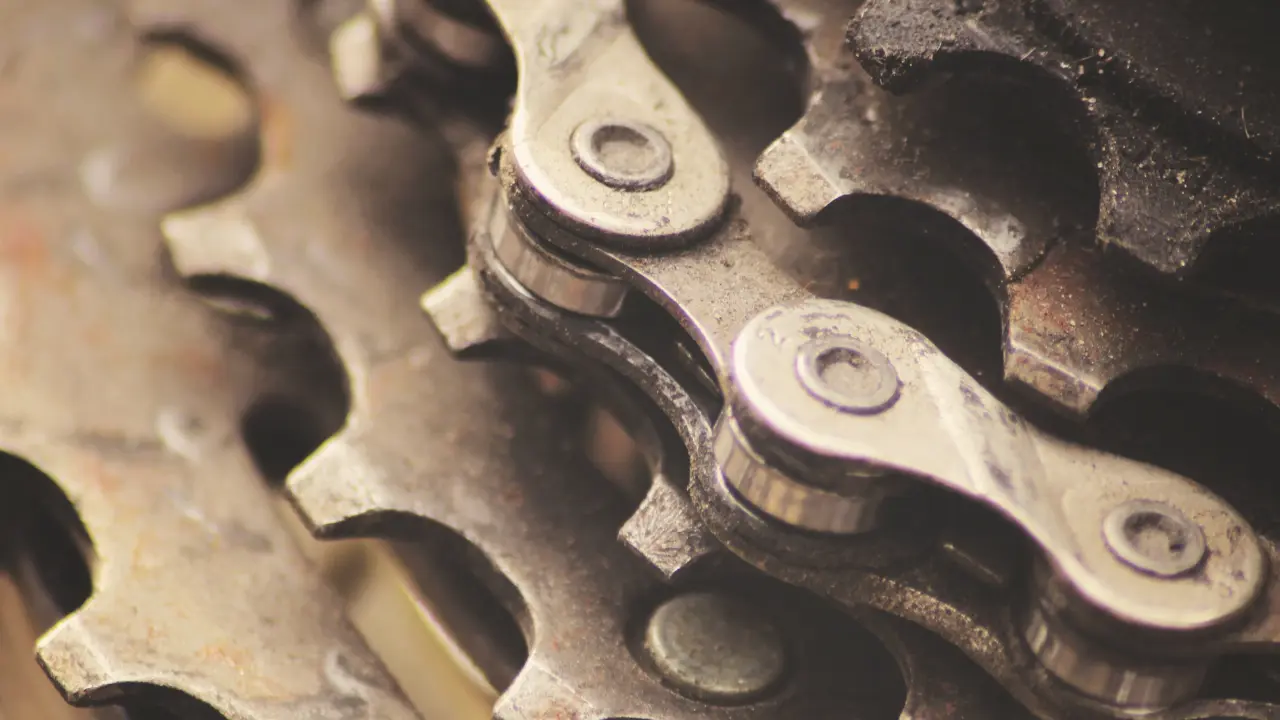
The relationship between a sprocket and a chain is a perfect example of mechanical synergy. A roller chain sprocket works by engaging with the rollers of a chain. As the drive sprocket rotates, its teeth catch the chain’s rollers, pulling the chain along with it. This movement transfers power from the driving source—like a motor or an engine—to the driven sprocket, which in turn powers the connected machinery.
Here’s a step-by-step breakdown of the process:
- Power Input: A motor or engine turns the drive shaft, to which the first sprocket is attached.
- Sprocket Rotation: As the drive sprocket rotates, its teeth engage with the links of the sprocket chain.
- Chain Movement: The rotating sprocket pulls the chain, causing it to move in a continuous loop.
- Power Transfer: The moving chain engages with the teeth of a second sprocket (the driven sprocket) located on another shaft.
- Power Output: The rotation of the driven sprocket transfers power to the final component, whether it’s the wheel of a motorcycle or a conveyor belt system.
The efficiency of this system depends on several factors, including the proper tension of the chain and the correct alignment of the sprockets. A chain that is too loose can slip or disengage, while a chain that is too tight can cause excessive wear on both the sprockets and the chain itself. Proper alignment ensures that the chain runs smoothly over the sprockets, minimizing friction and wear.
Common Types of Sprockets
Sprockets come in a variety of types, each designed for specific applications and chain types. Understanding the differences is key to selecting the right component for a particular mechanical system.
Roller Chain Sprockets
This is the most common type of sprocket. It is designed to work with roller chains, which consist of short cylindrical rollers held together by side links. Roller chain sprockets are used in a vast array of applications, from bicycles and motorcycles to industrial machinery and agricultural equipment. They are available in various standardized sizes to match different chain pitches (the distance between the centers of adjacent rollers).
Silent Chain Sprockets (Inverted Tooth)
Silent chain sprockets, also known as inverted tooth sprockets, are designed for high-speed, high-power applications where quiet operation is essential. Unlike roller chains, silent chains have teeth that engage directly with the sprocket. This design provides a smoother, quieter, and more efficient power transmission, making them ideal for automotive timing systems and industrial power transmissions.
Idler Sprockets
Idler sprockets are not used to transmit power. Instead, their purpose is to guide or tension a chain. They are often used in systems with long chains to prevent whipping or sagging, or to route the chain around obstacles. Idler sprockets can be either fixed or adjustable and are crucial for maintaining proper chain tension and ensuring the smooth operation of the system.
Taper-Lock and QD Sprockets
For easy installation and removal, many industrial sprockets feature a tapered bushing system.
- Taper-Lock Sprockets: These have a tapered bore that matches a corresponding tapered bushing. As the bushing is tightened, it grips the shaft securely. This design allows for quick installation and precise alignment.
- QD (Quick-Disconnect) Sprockets: Similar to taper-lock sprockets, QD sprockets use a flanged bushing with a split taper. They are known for their ease of installation and strong clamping force, making them popular in heavy-duty industrial applications.
Double Sprockets
Double sprockets are designed to drive two separate chains from a single shaft. This is useful in applications where multiple components need to be driven in sync. One specific type is the 40 Double Single Sprocket. This component is essentially two single sprockets manufactured together, designed to engage with two separate single-strand #40 roller chains. They are used in machinery where two parallel power transmission systems are required, such as in certain types of conveyors or agricultural equipment.
Shear Pin Sprockets
Shear pin sprockets are a type of safety device. They are designed with a pin that will break or “shear” if the system experiences an overload or a jam. This protects more expensive components, like motors and gearboxes, from damage. Once the obstruction is cleared, the shear pin can be easily replaced, and the system can resume operation.
Applications Across Industries
The versatility of the chain sprocket system means it is used in a wide range of industries and applications. Here are just a few examples:
Transportation
- Bicycles and Motorcycles: The most familiar application for many people. A chain and sprocket system transfers power from the pedals or engine to the rear wheel.
- Automotive: Timing chains, which use sprockets to synchronize the rotation of the crankshaft and camshaft, are critical for engine performance.
Industrial and Manufacturing
- Conveyor Systems: Sprockets and chains are the backbone of many conveyor systems, moving products along assembly lines, in warehouses, and through distribution centers.
- Power Transmission: In all sorts of industrial machinery, sprockets are used to transmit power from motors to various moving parts, from mixers and agitators to pumps and fans.
Agriculture
- Farm Equipment: Harvesters, balers, seeders, and other agricultural machines rely heavily on roller chain and sprocket systems to power their various mechanical functions. The robust nature of these systems makes them well-suited for the demanding and often dirty environment of farm work.
Construction
- Heavy Machinery: Bulldozers, excavators, and other tracked vehicles use large sprockets and tracks (a form of chain) to move. These heavy-duty systems are designed to handle immense loads and rugged terrain.
Proper Maintenance for Longevity
Proper maintenance is essential to ensure the long life and reliable performance of any sprocket and chain system. Neglecting maintenance can lead to premature wear, reduced efficiency, and costly equipment failure.
Lubrication
Lubrication is the single most important aspect of chain maintenance. A well-lubricated chain runs smoother, reduces friction and wear, and helps to dissipate heat.
- Choose the Right Lubricant: Use a high-quality lubricant specifically designed for roller chains. The type of lubricant will depend on the operating conditions (speed, load, temperature).
- Apply Correctly: The lubricant should be applied to the inner surfaces of the chain, where it can penetrate the pins and bushings. Applying it to the outer surfaces is less effective.
- Regular Schedule: Lubrication should be done regularly. The frequency will depend on the application, but a good rule of thumb is to check and lubricate the chain at least once a week for industrial applications.
Alignment
Proper alignment of sprockets is crucial. Misalignment can cause uneven wear on the sprocket teeth and chain, leading to premature failure.
- Check Alignment: Use a straightedge or a laser alignment tool to ensure that the sprockets are perfectly aligned on their shafts.
- Adjust as Needed: If misalignment is detected, adjust the position of the sprockets until they are correctly aligned.
Tensioning
Maintaining the correct chain tension is vital.
- Too Loose: A loose chain can whip, vibrate, or even jump off the sprockets.
- Too Tight: An overly tight chain puts excessive strain on the sprockets, shafts, and bearings, leading to accelerated wear.
- Check and Adjust: Regularly check the chain tension and adjust it according to the manufacturer’s specifications. For most applications, there should be a small amount of slack in the chain.
Regular Inspection
Frequent inspections can help you catch problems before they become serious.
- Check for Wear: Inspect the sprocket teeth for signs of wear, such as hooking, sharpening, or chipping. Worn sprockets should be replaced promptly.
- Inspect the Chain: Look for signs of wear on the chain, including elongated links, stiff joints, or cracked rollers.
- Cleanliness: Keep the chain and sprockets clean. Dirt and debris can act as an abrasive, accelerating wear.
Your Guide to Next Steps
Chain and sprocket systems are fundamental to modern mechanical design, providing a reliable and efficient means of power transmission. From the simple bicycle to complex industrial machinery, their presence is a testament to their effectiveness. By understanding the different types of sprockets, their applications, and the importance of proper maintenance, you can ensure that these critical components continue to perform their function flawlessly.
Regular lubrication, proper alignment, and correct tensioning are the keys to a long and productive life for any sprocket and chain drive.
If you are designing a new system or maintaining existing equipment, selecting the right components and adhering to a strict maintenance schedule will pay dividends in reliability and reduced operating costs.