
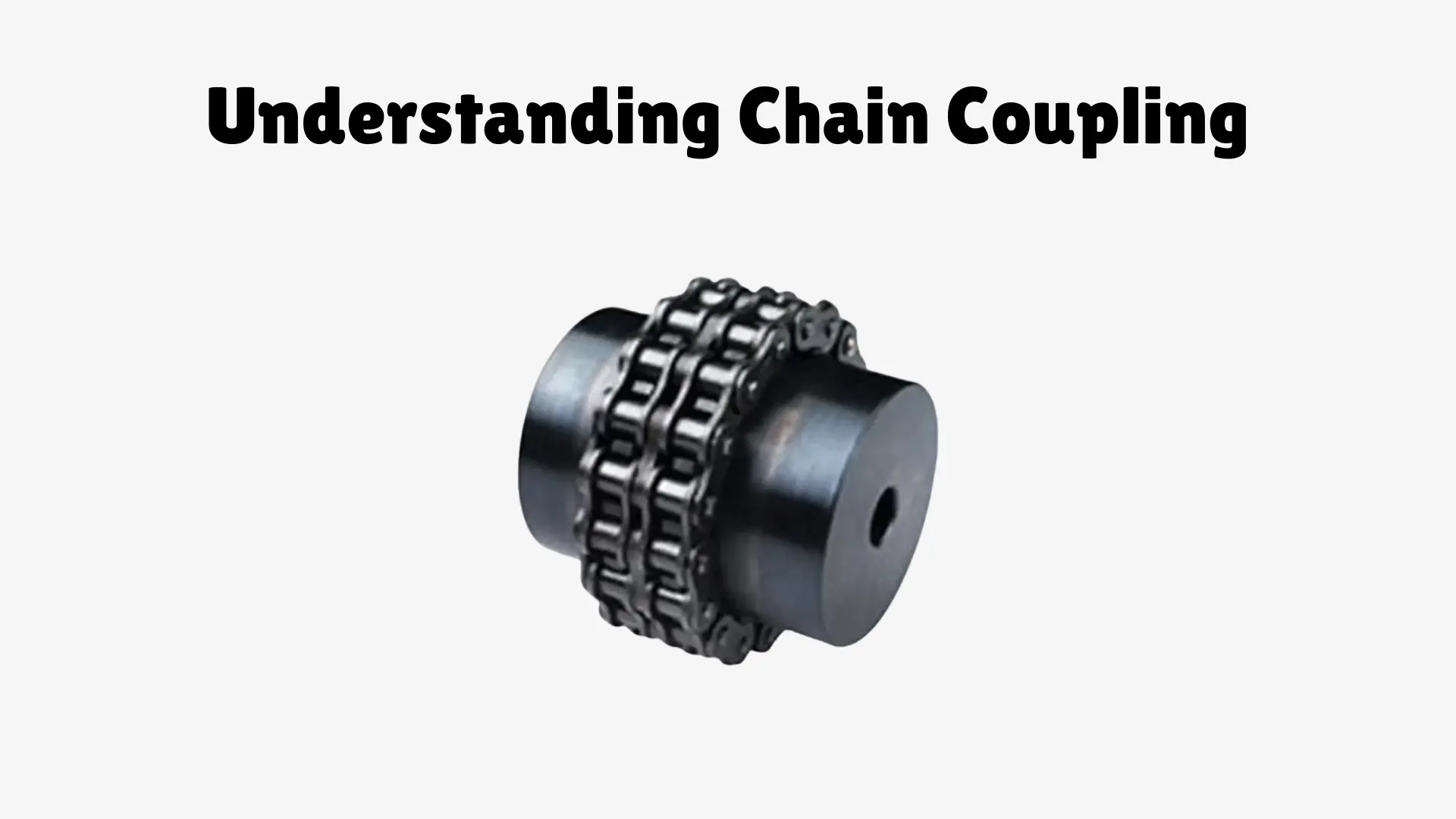
Understanding Chain Coupling – Working, Uses, and Advantages

In modern industries, chain couplings are widely recognized as one of the most reliable solutions for connecting two rotating shafts and transmitting torque. Unlike rigid couplings, chain couplings provide flexibility, absorb shocks, and ensure smooth power transfer. Their simple design, durability, and cost-effectiveness make them a popular choice across industries, including manufacturing, construction, mining, and agriculture.
How Do Chain Couplings Work?
A chain coupling consists of two sprockets mounted on each shaft, connected by a roller chain. When the shafts rotate, the chain transmits torque while accommodating slight misalignment between the shafts. This feature reduces vibration, prevents excessive wear, and maintains smooth operation in demanding industrial environments.
Chain couplings are particularly valuable in systems where minor misalignment is unavoidable. By allowing angular, radial, and axial movement, they protect machinery components from unnecessary stress, extending the life of both shafts and connected equipment.
Types of Chain Couplings
Choosing the right chain couplings depends on the torque, speed, and alignment requirements of your machinery. The common types include:
Single Strand Chain Coupling: Compact and lightweight, suitable for light to medium-duty machinery where moderate torque transmission is sufficient.
Double Strand Chain Coupling: Designed for high torque transmission, this type provides extra strength and durability, making it ideal for heavy-duty industrial applications.
Flexible Chain Coupling: Offers greater flexibility to accommodate misalignment and vibration, protecting equipment from mechanical stress.
Customized Chain Coupling: Specially designed for unique machinery configurations where standard couplings do not fit.
Understanding these types of chain couplings helps industries select the most appropriate solution to enhance operational efficiency and reduce maintenance costs.
Industrial Applications of Chain Couplings
Chain couplings are versatile components used in a wide range of industrial machinery and equipment. Key applications include:
Pumps and Compressors: Ensures smooth torque transmission and reliable operation.
Conveyors and Material Handling Systems: Maintains consistent power flow for efficient material movement.
Mixers, Crushers, and Agitators: Absorbs shocks and vibration, improving machine longevity.
Heavy-Duty Lifting Equipment: Handles high torque and reduces stress on connected shafts.
Automotive and Agricultural Machinery: Provides dependable power transfer under variable operating conditions.
Their adaptability makes chain couplings suitable for industries where high reliability, smooth operation, and low maintenance are critical. For optimal performance, pairing chain couplings with compatible components like industrial chains ensures maximum efficiency and durability.
Benefits of Chain Couplings
Investing in high-quality chain couplings offers several advantages:
Durability and Resistance to Wear: Designed to withstand harsh industrial conditions.
Misalignment Compensation: Absorbs angular, radial, and axial misalignment without compromising performance.
Easy Installation and Maintenance: Simple design allows for quick assembly and minimal downtime.
Smooth Torque Transmission: Transfers power efficiently with minimal energy loss.
Cost-Effectiveness: Provides a reliable solution without the higher cost associated with other coupling types.
Proper selection and maintenance of chain couplings ensure reliable machinery performance and reduce the risk of unexpected failures.
Maintenance Tips for Chain Couplings
To maximize the lifespan and performance of chain couplings, regular maintenance is essential:
Lubrication: Keep the chain properly lubricated to reduce friction and wear.
Inspection: Check for stretching, corrosion, or damage on the chain and sprockets.
Cleaning: Remove dirt, dust, and contaminants to prevent abrasion.
Replacement: Replace the coupling if links or teeth are excessively worn to avoid equipment damage.
Routine maintenance not only extends the life of chain couplings but also improves overall operational efficiency and safety in industrial systems.