
How to Measure Chain Size Correctly: Complete Chain Measurement Guide

Understanding how to measure chain size correctly is more important than most people realize. Whether you are replacing an old chain, ordering a new one, or working on a custom project, accurate chain measurement saves time, money, and frustration. Many people believe measuring a chain is as simple as checking its length, but true chain measurement involves much more than that.
In this complete guide, you will learn how to measure a chain properly, how to avoid common mistakes, and how to ensure your chain size is accurate for any use. This article is designed to give you clarity, confidence, and practical knowledge so you never have to guess again.
Why Most People Measure Chain the Wrong Way
Most mistakes in chain measurement happen because people rush the process or misunderstand what chain size actually means. Many assume that chain measurement refers only to length, but this approach often leads to chains that do not fit, do not function properly, or wear out faster than expected.
Another common reason people measure chain incorrectly is using improper tools or measuring while the chain is twisted or curved. Even small errors can result in noticeable differences when the chain is installed or worn.
Learning how to measure chain size correctly ensures accuracy and reliability. Once you understand the right method, measuring a chain becomes simple and repeatable.
What Chain Size Really Includes
Chain Size Is More Than Just Length
When people ask how do you measure chain size, they are often surprised to learn that length is only one part of the equation. Chain size includes several dimensions that work together to define how a chain fits and functions.
Chain measurement generally includes the total length, link width, link thickness, and internal spacing between links. Ignoring any of these elements can lead to incorrect sizing.
The Four Core Elements of Chain Measurement
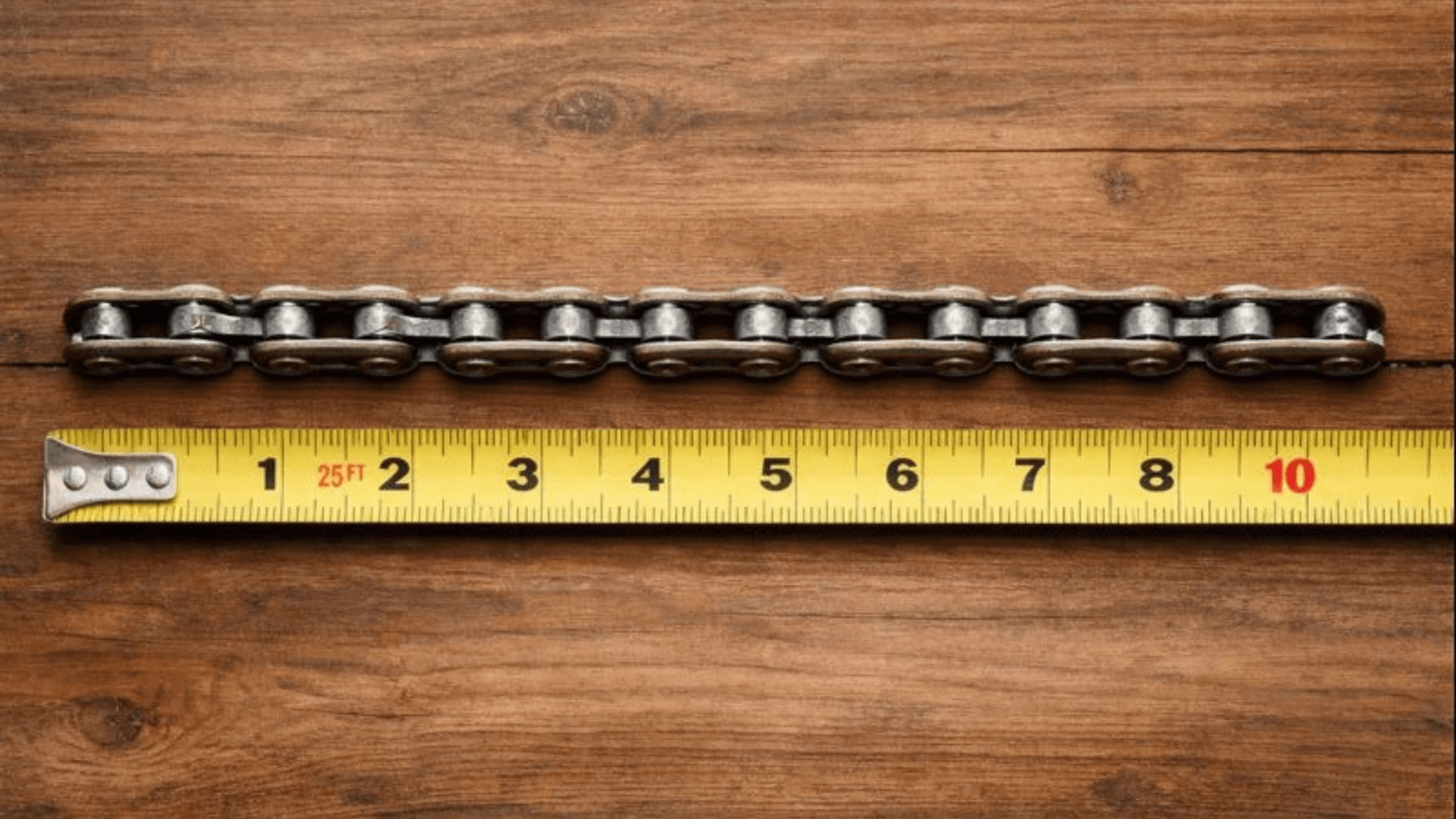
The first element is chain length. This is the total distance from one end of the chain to the other when laid flat.
The second element is link width. This refers to how wide each individual link is, which affects compatibility with clasps, sprockets, or connectors.
The third element is link thickness. Thickness determines strength and durability and plays a major role in how the chain performs under stress.
The fourth element is internal spacing. This is the distance inside each link and is especially important for mechanical or functional chains.
Understanding these elements is essential when learning how to measure a chain correctly.
Identify Your Chain Type Before You Measure
Why Chain Type Matters in Chain Measurement
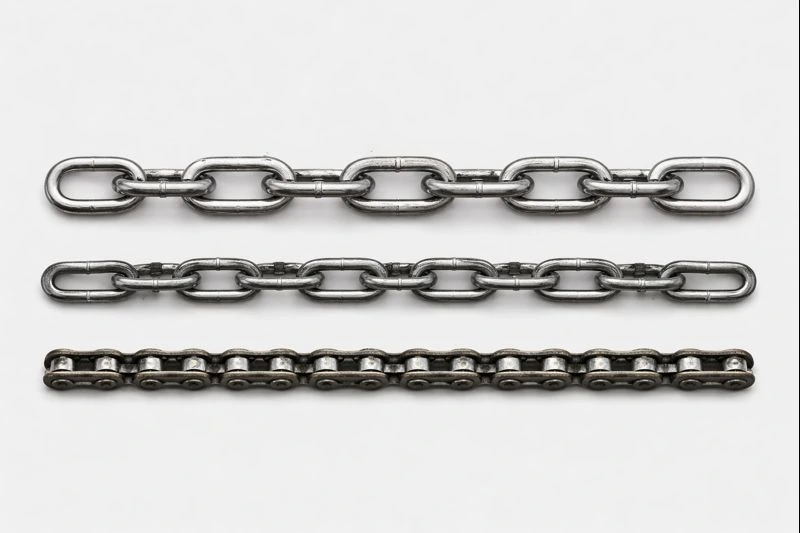
Not all chains are measured the same way. Decorative chains, functional chains, and industrial chains each have different measurement priorities. Before you begin measuring, it is important to identify the type of chain you are working with.
Decorative chains often focus on length, link style, and thickness. Functional chains require precise measurements of pitch and spacing. Industrial chains demand high accuracy because even slight errors can affect performance.
Common Mistake of Measuring Every Chain the Same Way
One of the most common mistakes people make is applying the same measurement method to every chain. This often leads to incorrect results. Knowing your chain type helps you choose the right measurement technique and avoid unnecessary errors.
The Correct Way to Measure Chain Length
How to Measure Chain Length Step by Step
To measure chain length accurately, start by laying the chain flat on a clean surface. Make sure the chain is fully extended and not twisted. A twisted chain can appear shorter than it actually is.
Use a measuring tape or ruler to measure from one end of the chain to the other. If the chain has a clasp or connector, include it in the measurement unless instructed otherwise by the manufacturer.
When learning how to measure a chain, consistency is key. Always measure the chain the same way to ensure reliable results.
How to Measure a Chain That Is Already Installed
Sometimes you need to measure chain size without removing it. In this case, measure the exposed length carefully and account for any hidden sections. Take multiple measurements if possible and calculate an average to improve accuracy.
How Do You Measure Chain Size by Individual Links
Measuring Chain Size Using Link Dimensions
In many situations, total length alone is not enough. Measuring individual links provides a more precise understanding of chain size.
To measure link length, place a ruler or caliper across a single link from one outer edge to the other. Repeat this process for several links to ensure consistency.
How to Measure Link Width and Thickness
Link width is measured across the widest part of the link. Thickness is measured by checking the diameter of the metal or material forming the link.
These measurements are essential when replacing a chain or matching it to existing hardware. Understanding how do you measure chain size at the link level improves compatibility and performance.
Advanced Chain Measurement Techniques Professionals Use
Precision Chain Measurement Methods
Professionals often use calipers for high accuracy. Calipers allow you to measure link thickness, internal spacing, and width with minimal margin of error.
Another professional technique involves measuring multiple sections of the chain and comparing results. This helps identify stretching or wear that may not be visible at first glance.
Measuring Worn or Stretched Chains
Over time, chains can stretch due to repeated use. Measuring a worn chain requires checking several areas and comparing them. If measurements vary significantly, the chain may need replacement.
Understanding advanced chain measurement techniques helps ensure safety and longevity, especially in functional or load bearing applications.
How to Measure Chain Size Without Professional Tools
Measuring Chain at Home Using Everyday Items
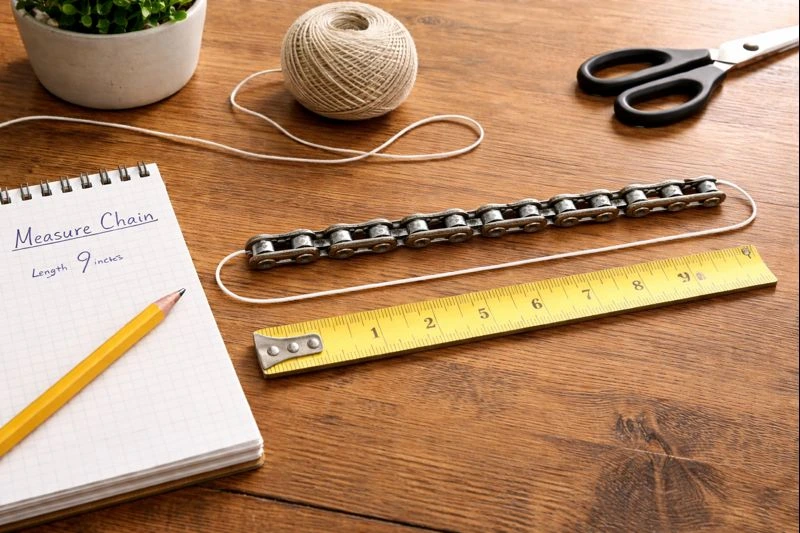
If professional tools are not available, you can still measure chain using common household items. A ruler, paper, or even string can help you determine chain length and basic dimensions.
Lay the chain flat and use the ruler to measure its length. For link size, place the chain on paper and mark the edges of a link, then measure the distance between the marks.
Accuracy Limitations of DIY Chain Measurement
While these methods are helpful, they may not be as precise as professional tools. For critical applications, always verify measurements using proper equipment.
Still, learning how to measure a chain at home is useful for quick checks and general sizing needs.
Chain Measurement Scenarios People Commonly Search For
How to Measure Chain for Replacement
When replacing a chain, always measure the old chain carefully before discarding it. Measure the total length, link width, and thickness. Compare these measurements with manufacturer specifications to ensure compatibility.
How to Measure Chain Size When the Chain Is Broken
If the chain is broken, measure the intact portion and estimate the original length by counting links. This method provides a close approximation when a full measurement is not possible.
How to Measure Chain for Custom Use
Custom projects require extra attention to chain measurement. Always measure twice and consider the final application before selecting a chain size. Accurate measurement ensures the chain performs as intended.
Chain Measurement Errors That Ruin Accuracy
Most Common Chain Measurement Mistakes
One common mistake is measuring a twisted or curved chain. This shortens the apparent length and leads to incorrect sizing.
Another mistake is ignoring link thickness or internal spacing. These factors are just as important as length and should never be overlooked.
Rounding measurements too early can also cause problems. Always record exact measurements and round only if necessary.
How to Fix a Wrong Chain Measurement
If you suspect an error, remeasure the chain using a different method or tool. Comparing multiple measurements helps identify inconsistencies and improve accuracy.
How to Confirm Your Chain Size Before Buying or Replacing
Double Check Methods for Accurate Chain Measurement
Before purchasing a new chain, compare your measurements with manufacturer charts or specifications. Measure the chain at least twice and confirm all dimensions.
If possible, test fit the chain or consult a professional to verify your measurements.
Final Checklist for Measuring Chain Correctly
Ensure the chain is laid flat
Measure length, width, and thickness
Verify measurements with a second tool
Confirm compatibility with intended use
Following this checklist ensures your chain measurement is accurate and reliable.
Frequently Asked Questions About Measuring Chain
How do you measure chain size accurately
Accurate chain measurement involves measuring length, link width, thickness, and internal spacing using proper tools and techniques.
What is the easiest way to measure a chain
The easiest way is to lay the chain flat and use a measuring tape for length, then a ruler or caliper for link dimensions.
Can chain measurement vary by material
Yes, different materials can affect thickness, flexibility, and wear, which may slightly change measurements over time.
Why does chain size feel different even with the same length
Differences in link style, thickness, and spacing can make chains of the same length feel different when used or worn.
Final Thoughts on Mastering Chain Measurement
Learning how to measure chain size correctly is a valuable skill that applies to many situations. Whether you are replacing an old chain, ordering a new one, or working on a custom project, accurate chain measurement ensures the best results.
By understanding what chain size really includes, using the correct measurement techniques, and avoiding common mistakes, you can confidently measure chain size every time. Take your time, measure carefully, and always verify your results.
Once you master chain measurement, you will never need to guess again.